
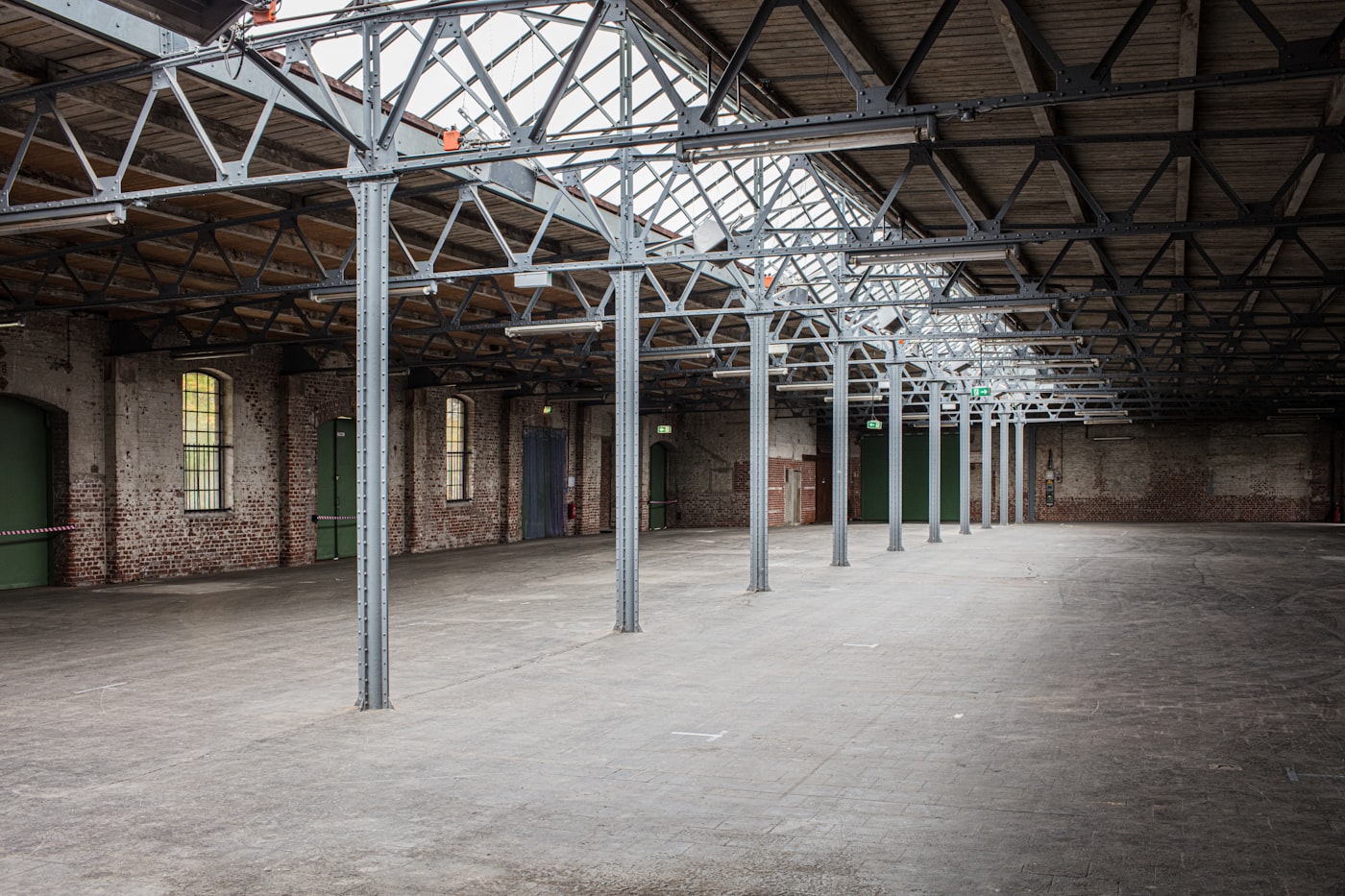
Almost every warehouse we walk into was designed for a business that no longer exists. Not because anything was built badly — but because the SKU mix has changed, order volumes have grown, peak seasons have gotten sharper, and nobody went back to re-think the layout once the original assumptions stopped holding. The building looks the same. The business running through it has completely outgrown the way it's organized.
We call the fix "recalibration" rather than "renovation" on purpose. It's rarely about new construction. It's about re-examining how a facility is zoned, where automation actually earns its cost, and which manual processes are quietly setting a ceiling on how fast a client can grow.
Signs Your Layout Is Working Against You
Most teams feel the symptoms long before anyone names the cause. A few patterns we see constantly:
- Receiving docks back up during normal weeks, not just peak season.
- Pickers walk past the same high-velocity SKUs to reach low-velocity stock stored closer to the dock.
- Stock counts still depend on someone walking the floor with a clipboard or a spreadsheet.
- Every seasonal peak feels like a fire drill instead of a planned event.
None of these are staffing problems, even though they often get treated as one. They're flow problems — and adding people to a broken flow just makes the bottleneck more expensive.
What "Recalibration" Actually Means
Recalibrating a warehouse means re-zoning by how fast inventory actually moves, not by how it was originally laid out. Fast-moving SKUs get pulled closer to receiving and dispatch. Slower stock moves further back. Automation — whether that's a warehouse management system, real-time inventory tracking, or material handling equipment — gets introduced where it removes a genuine bottleneck, not as a blanket upgrade applied everywhere at once.
That last part matters more than it sounds. Automating the wrong process just makes a bad process faster.
"The best partnerships don't need to be managed — they just need to be understood." Anindya Bose, Co-Founder & Director, Client Strategy
A Simple Framework We Use With Clients
When we sit down with a client to recalibrate their space, we work through the same four stages, in order:
Audit The Current Flow
Walk the actual path goods take, from receiving to dispatch, and track where time and movement get lost — not where the org chart says the process should work.
Re-Zone By SKU Velocity
Map every SKU by how often it moves, then rebuild the floor plan around that data instead of historical habit.
Pilot Automation In One Zone
Introduce tracking or handling automation in the single area with the clearest bottleneck, and measure the actual impact before expanding it.
Scale What Works
Roll the pilot's proven changes out across the rest of the facility, on a timeline that doesn't interrupt live operations.
The order matters as much as the steps themselves. Skip the audit and you automate guesses. Skip the pilot and you scale mistakes. Done in sequence, recalibration tends to pay for itself well before the full rollout is even finished.