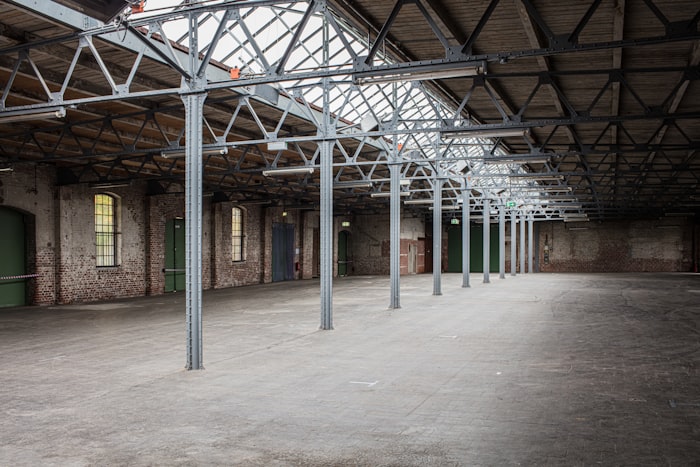
Most warehousing decisions get made backwards. A business needs space, finds a number it can afford per square foot, signs the lease, and only later discovers that the facility sits forty minutes from the nearest highway interchange, with no rail siding and a single access road that floods every monsoon. By then, the location is locked in — and so is every transit delay, every missed delivery window, and every rupee spent moving goods further than they needed to travel.
We built Global LogInfra the other way around. Before a single shelf went up at our Kolkata site, we asked a more basic question: what does this land need to connect to, and how directly can it connect to it?
The Map Most Warehousing Companies Get Wrong
Square footage is easy to compare. Connectivity is not — which is exactly why it gets underweighted in most site selection decisions. A facility that's 15% cheaper per square foot but sits an hour further from a port or industrial corridor isn't actually cheaper. That gap shows up later, in fuel, driver hours, and the kind of scheduling slack that businesses build in "just in case," which quietly inflates lead times across an entire supply chain.
The questions worth asking before signing anything look more like this:
- How many trade routes, ports, or industrial hubs sit within a realistic transit radius?
- Does the site support multi-modal movement — road and rail — or only one?
- What does access look like during the months when weather is worst, not the months when it's ideal?
- Is there room to grow on the same site, or will scaling mean relocating in three years?
What 40 Acres Near Kolkata's Trade Routes Actually Buys You
Our site sits on the Industrial park of Kolkata specifically because of what surrounds it: established trade routes, port access, and a cluster of industrial hubs that together shrink the distance between "goods arrive" and "goods are out the door again." For the FMCG, retail, e-commerce, and manufacturing brands we work with, that translates into shorter transit times and fewer handoffs — which is usually where delays and damage actually happen.
It's also why 40 acres matters as much as the address. A site that's well-located but too small to grow into just relocates the original problem a few years down the line. Spanning the footprint we have means a client's storage needs can expand on the same site, under the same operational systems, without a second move disrupting their business.
"Infrastructure is a promise you make to every truck that pulls up at the gate. We don't break it." Rajiv Sharma, Co-Founder & Managing Director
Recalibration Starts With The Site, Not The Shelving
When clients come to us about optimizing a warehouse — what we call recalibration — the instinct is often to start with racking, automation, or software. Those matter, but they're the second decision, not the first. A perfectly zoned, fully automated facility built on a poorly connected site is still working against itself every time a truck has to take the long way around.
That's the order we follow internally too: get the location logic right first, then build everything else — layout, automation, inventory systems — on top of a foundation that isn't fighting the map.